The Swiss Federal Council decided on 4 November 2026 to adopt further Russia and Belarus sanctions drawn from the EU's 21st package. Bern's decision follows the EU's adoption on 23 July; the new Swiss listing and sectoral measures have separate commencement dates. Federal Council announcement
Federal Council separates 4 November listings from 5 November sectoral measures
Key facts
- The government reports 254 additional individuals, companies and entities subject to asset freezes and restrictions on providing economic resources.
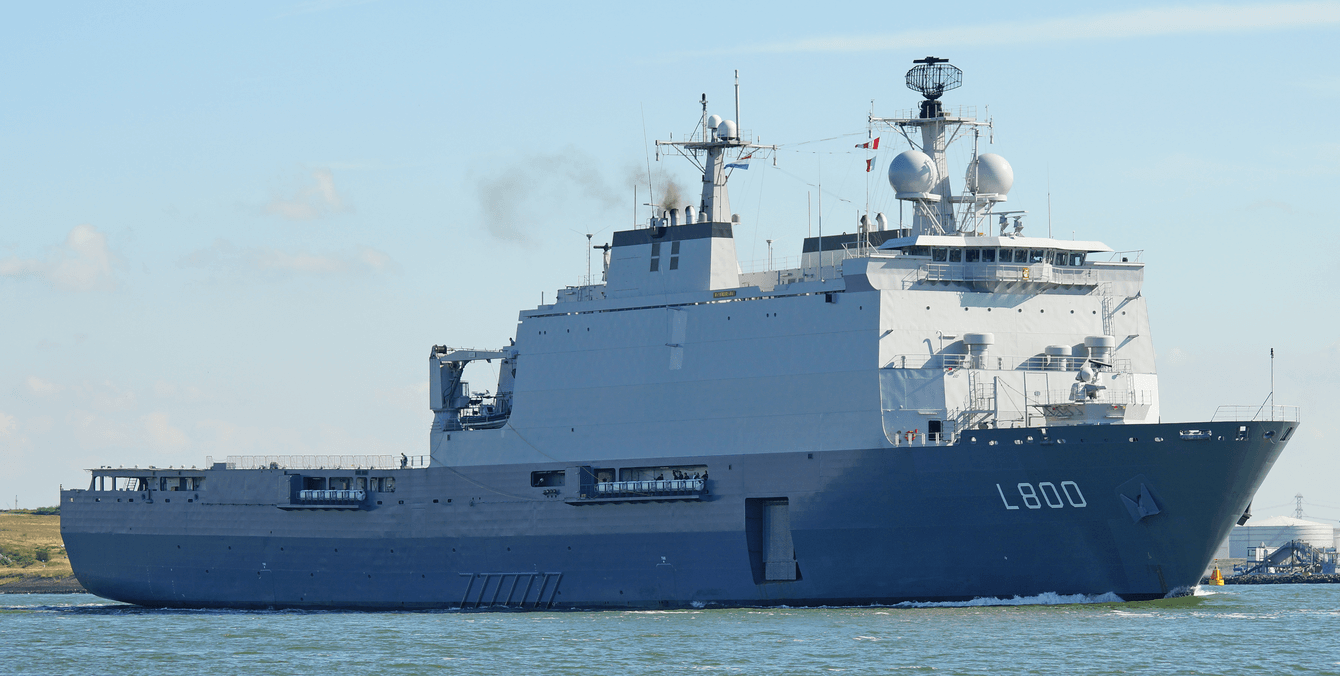
- A further 41 vessels linked to Russia's shadow fleet face purchase, sale and service bans.
- Separately, 41 companies face tighter export controls; these are not the same count as the vessels.
- List amendments take effect at 11pm on 4 November, while sectoral measures take effect on 5 November.
The Federal Department of Economic Affairs, Education and Research, known as EAER, updated the lists on 3 November. The release also records the removal of six individuals and one company in line with an EU decision. These additions and removals concern the composition of sanctions lists, rather than a finding that every previously listed person remains covered.
The government says newly listed individuals are also barred from entering or transiting Switzerland. It describes transaction bans involving various businesses and institutions, including 33 Russian banks, one third-country bank, 17 financial institutions and crypto-service providers, and four Russian airports and two ports. Those categories come from the government's account; the underlying annexes were not independently examined for this report.
Switzerland has not reproduced every EU listing. Following what it describes as foreign-policy and legal considerations, Bern is for now excluding two Russian nationals from the list and fourteen third-country companies from enhanced export controls. The government says operational measures introduced under the previous package protect against circumvention. That is its assessment, not evidence here of independently measured enforcement results. List changes and exceptions
The distinction matters for cross-border activity: this is a Swiss adoption decision with stated exceptions, not a new EU package adopted on 4 November or proof that the two jurisdictions' restrictions are identical. The release gives 11pm for the list changes without explicitly specifying a timezone; it should not be recast as a verified UTC deadline.
LNG tankers, crypto ownership and the 31 March 2028 exemption
In energy, the Federal Council is introducing reporting for sales or other ownership transfers of liquefied-natural-gas tankers to third countries. It says the purpose is to reduce circumvention risk. Reporting a transfer and prohibiting all such transfers are different measures; the announcement establishes the former.
Bern is also extending an existing exemption from restrictions on transporting Russian crude oil and providing associated services for certain shipments to Japan. The stated end date is 31 March 2028. This is a limited exemption, rather than a general lifting of the oil-transport restrictions.
In finance, Russian nationals and people resident in Russia will no longer be permitted to acquire an interest in Swiss crypto-service companies, regardless of the services offered. Trade changes extend existing export bans targeting Russia's military and technological capabilities, particularly aerospace and drone manufacturing. The release also describes further import restrictions and measures concerning Belarus.
Maritime sanctions operate through different national instruments. Our report on US action against an alleged Iranian false-flag network provides a separate example of vessel-related restrictions. It does not establish the targets or legal reach of Switzerland's Russia measures.
The immediate next step identified by Bern is commencement on the two stated dates. Its linked Fedlex page returned a JavaScript notice rather than readable ordinance text during the source checks, so specific annex identities and detailed legal provisions are not reproduced. Further reporting in our Europe section will distinguish announced restrictions, their implementation and any demonstrated effects.