U.S. importers of crystalline silicon solar cells from India, Indonesia and Laos face two separate duty orders from the U.S. Department of Commerce, published in the Federal Register on November 9, 2026. One addresses sales at less than fair value and the other offsets subsidies. The orders tie the resumption of cash deposits to November 5, when the U.S. International Trade Commission published its final injury determinations. The amount and treatment of an entry depend on the producer or exporter, the kind of duty and when the goods entered the United States.
Key facts
- The orders cover qualifying crystalline silicon cells, including cells assembled into modules or panels. The written scope excludes certain thin-film products and narrowly defined consumer products.
- The antidumping and countervailing orders use separate rates and had different gaps between provisional measures and the resumption of cash deposits.
- Commerce’s subsidy order provides for retroactive treatment of certain suspended Indonesian entries dating to November 28, 2025. The commission reached negative critical circumstances findings for India and Laos.
Why do the orders follow two different tests?
The investigation began on July 17, 2025, after petitions from the Alliance for American Solar Manufacturing and Trade. Commerce examined whether imports were sold at less than fair value and whether they benefited from countervailable subsidies. The commission addressed a different question, whether the imports materially injured a U.S. industry. It held a hearing on September 9, 2026, completed its findings on November 2 and published them on November 5. Commerce’s orders carry a November 4 signature date and appeared in the November 9 issue.
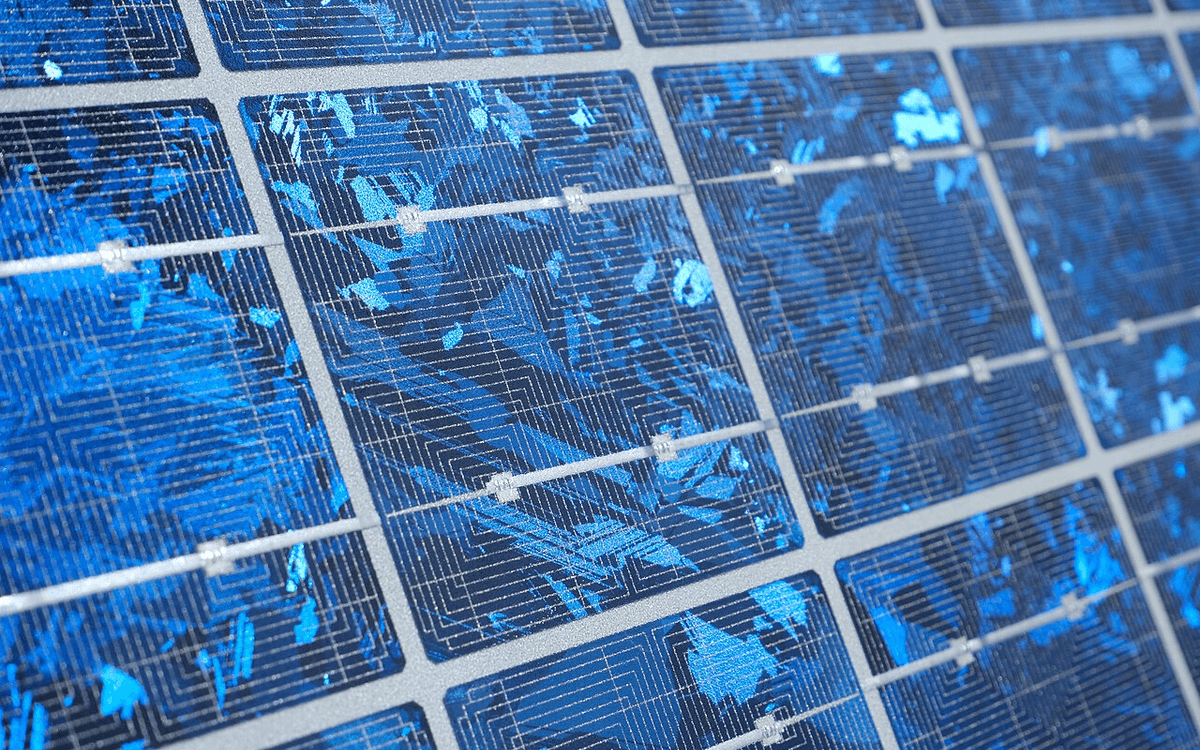
The same goods can fall under both orders. The scope language covers crystalline silicon photovoltaic cells at least 20 micrometres thick with a p/n junction, including cells incorporated in modules, laminates or panels. It excludes specified thin-film products made with amorphous silicon, cadmium telluride or copper indium gallium selenide. It also excludes qualifying small cells permanently integrated into a consumer product whose function is something other than generating power and that uses the electricity produced. The orders say the written scope controls even though they list tariff codes for customs purposes.
Where a module is assembled can differ from where its cells were made. The appendix includes modules, laminates and panels made in a third country from cells produced in India, Indonesia or Laos. It excludes modules made in one of the three countries from cells produced in a third country. That distinction makes the cell’s origin relevant even when the imported product is a finished panel. The appendix also excludes goods already covered by the specified earlier orders on China and on Cambodia, Malaysia, Thailand and Vietnam, so an exclusion here can reflect the existence of a separate set of orders.
Which rates appear in the orders?
The antidumping order distinguishes estimated dumping margins from deposit rates where it lists an adjustment for subsidy offsets. For Laos, Commerce corrected its treatment of U.S. duties in sales reported by Solarspace Technology (Laos). It had removed section 201 duties from all the company’s reported U.S. sales instead of limiting that deduction to sales that incurred them. The correction changed the company’s margin and the other Laos rates that relied on it.
| Origin and default rate category | Estimated dumping margin, % | Antidumping deposit rate, % | Countervailing deposit rate, % of value |
|---|---|---|---|
| India, all others | 123.04 | 107.17 | 126.09 |
| Indonesia, all others | 94.36 | 94.36 | 73.20 |
| Laos, Laos-wide for antidumping and all others for countervailing | 65.76 | 65.36 | 82.03 |
These are default entries in the November orders. The 94.36 percent Indonesian antidumping rate is the margin shown in the order, which directs customs to collect deposits at the listed rates and shows no separate adjusted column for Indonesia. The countervailing order lists a 173.70 percent subsidy deposit rate for PT Blue Sky Solar Indonesia and a 153.67 percent rate for Vietnam Sunergy Joint Stock Company in the Laos table. A deposit is collected at entry against estimated duties. Commerce says it will issue separate instructions to assess duties on eligible entries whose accounts have yet to be finalised.
Which earlier shipments are affected?
The temporary antidumping measures began on April 28, 2026, and ended on October 24 after Commerce extended the provisional period at exporters’ request. Under the antidumping order, entries for consumption from October 25 through November 4 fall in the gap before the commission’s publication. Commerce says it will direct U.S. Customs and Border Protection to finalise those entries without antidumping duties under these orders.
The subsidy investigation followed a different calendar. Its provisional measures began on February 26 and expired after June 25. The countervailing order describes a gap from June 26 through November 4. For certain already suspended Indonesian entries, it also reaches back to November 28, 2025, because both agencies made affirmative critical circumstances findings. For the comparable earlier period before February 26 in the India and Laos cases, Commerce says it intends to lift the suspension and refund those estimated subsidy deposits.
Commerce will implement the orders through customs instructions. It also says it will create annual service lists for each case in its ACCESS filing system within five business days of publication. Interested parties who wish to join those lists have 30 days after publication of the orders to file an appearance. That process gives companies a way to follow later proceedings about which products the orders cover.