The United States has opened antidumping investigations into imports of certain seamless steel pipes from Georgia and India and a separate subsidy investigation covering India. The U.S. Department of Commerce initiated the cases on November 4, 2026, and the Federal Register published its antidumping notice and countervailing duty notice on November 9. The cases move the October petitions into Commerce’s formal investigation process. The notices set no new duty rates.
Key facts
- The two antidumping cases examine whether covered pipe from Georgia and India is sold in the United States at less than fair value.
- The subsidy case covers India only and examines whether producers or exporters benefit from government subsidies that can be offset by duties.
- The U.S. International Trade Commission has a separate deadline of November 30, 2026, for its preliminary injury determination.
Which products and companies are in scope?
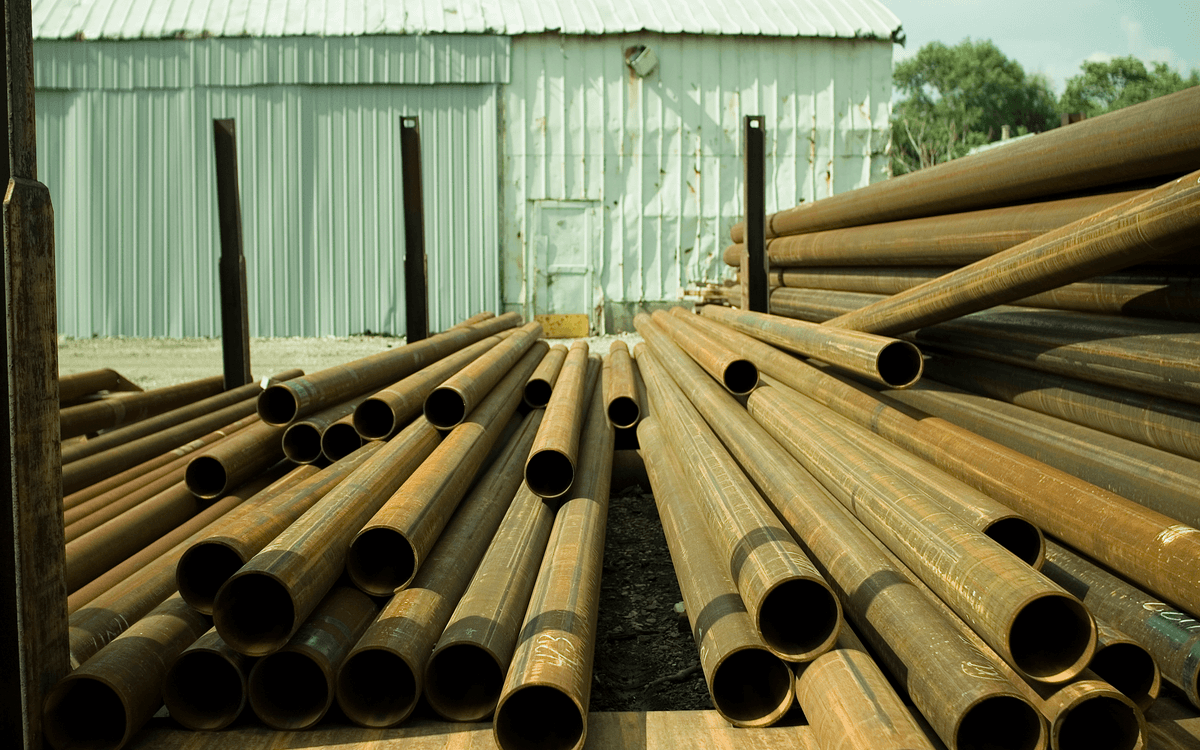
The cases cover certain seamless carbon and alloy steel standard, line and pressure pipe with a nominal outside diameter of up to 16 inches (406.4 millimetres). The description also includes some unfinished pipe known as redraw hollows. It excludes stainless steel and specifies other exclusions, including certain aerospace and hydraulic tubing and oil country tubular goods such as drill pipe and casing. Commerce lists tariff codes for customs purposes, but the written product description governs. For importers, that makes the product specification and country of origin central to working out whether a shipment is covered.
The petitions came from Tenaris USA, Vallourec Star and the United Steelworkers. Commerce’s initiation notices say the petitioners supplied enough information to open the investigations under the statutory tests. In the Georgian antidumping case, Commerce is treating Georgia as a non-market economy for initiation purposes. The petitioners used data from Brazil, Colombia and Malaysia to value production inputs under three alternative approaches. That choice can affect the dumping estimates, and parties will have an opportunity to comment on the choice of surrogate countries.
The Indian cases examine different questions and different periods. The dumping case looks at sales from October 2025 through September 2026. The subsidy case looks at calendar year 2025. Commerce may therefore examine both pricing and government support for Indian producers, with separate determinations in each case. The Georgian dumping inquiry covers April through September 2026.
What has to happen before duties could follow?
The International Trade Commission’s institution notice traces its injury inquiry to the October 15 petitions. The commission will assess whether there is a reasonable indication that the imports covered by each case are materially injuring a U.S. industry or threaten to do so. If it makes a negative preliminary determination for a case, that investigation ends. An affirmative preliminary finding lets Commerce continue with its own examination.
| Step | Deadline | What it covers |
|---|---|---|
| Commerce questionnaires | November 18, 2026, 5 p.m. ET | Quantity and value responses from relevant exporters |
| Commerce scope comments | November 24, 2026, 5 p.m. ET | Initial comments on which products should be covered |
| Commission preliminary determination | November 30, 2026 | Whether the injury cases can proceed |
Commerce is due to issue its own preliminary subsidy determination within 65 days of initiation and its preliminary dumping determinations within 140 days, unless those deadlines are postponed. The commission’s November 30 decision comes first and will determine which cases advance to those findings.