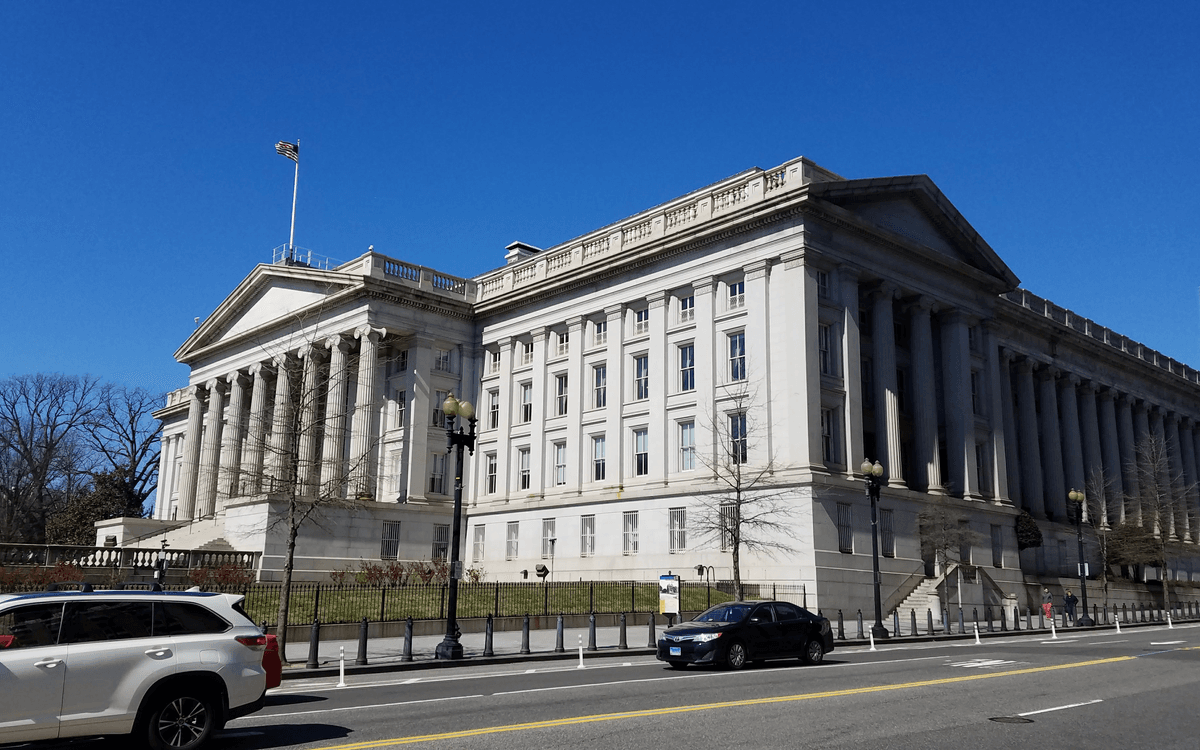
The US Department of the Treasury’s Office of Foreign Assets Control added four people and 41 entities linked to Prince Group to its sanctions list on 5 November 2026, extending an existing action against the group to offshore companies and business associates. A separate cyber designation targets Chui Kok Wa, whom Treasury accuses of managing a Madagascar-based fraud network that took money from US victims. The OFAC list update records both actions alongside unrelated Cuba measures.
Key facts
- The Prince Group action covers 45 entries under the US transnational criminal organisations sanctions programme.
- The four individuals include Qiu Yong, Zhao Mengyao, He Yujing and Visal Pang.
- Treasury credits British Virgin Islands and UK authorities with information sharing.
- US blocking obligations also reach entities owned at least 50% in aggregate by one or more blocked persons.
Why the latest action reaches offshore holding companies
Treasury says the new entries target the structures through which people associated with Prince Group were able to keep operating after the US designated the group and its leader in October 2025. The June 2026 action added nine people and 26 entities linked to the group, including senior figures, investors and front companies. That June action also accompanied a separate FinCEN proposal concerning a payment provider. The November list changes add another group of named persons and businesses to the blocking programme.
In the November account, Treasury describes Qiu Yong as a Prince Group member who ultimately owns Hong Kong lenders Premium Financial Limited and Solar Scape Financial Limited through holding companies registered in the British Virgin Islands. The list update identifies each of the two lenders and their corresponding holding companies. Naming the entities at both levels makes the cross-border ownership structure relevant to screening, even where a lender and its parent operate under different names.
The department also alleges that Chen Bo, a Prince Group executive sanctioned in June, transferred a Tokyo property to He Yujing. It identifies Visal Pang as an associate who controls eleven Cambodian companies, some co-directed with Chen Bo. The US list identifies Pang under additional names, including Weizhi Pang. Treasury says the United Kingdom had already designated him in March 2026 and credits the UK Foreign, Commonwealth & Development Office and the British Virgin Islands Financial Investigation Agency for assistance with this action.
What changes for payments and property
Property and interests in property of the designated parties must be blocked and reported to OFAC when they are in the United States or held or controlled by US persons, according to Treasury. The department says US persons and transactions within or passing through the United States generally face prohibitions involving blocked property, subject to applicable licences and exemptions. Treasury also warns that some dealings by foreign financial institutions can carry sanctions exposure.
The list and the ownership test work together. A named Hong Kong company can be screened directly against the new entries, while an unlisted entity can still be blocked if one or more blocked persons own at least half of it in aggregate, directly or indirectly. The distinction matters when the US-listed company is a holding vehicle and the immediate counterparty uses a different name.
The Chui listing appears under a separate cyber sanctions authority. Treasury alleges that the Madagascar-based operation used digital assets and other online methods to take the equivalent of more than $400,000 from US victims. That figure describes Treasury’s allegation about the Chui network. For the Prince Group entries, the immediate consequence is the application of the blocking and reporting rules to property within US reach.