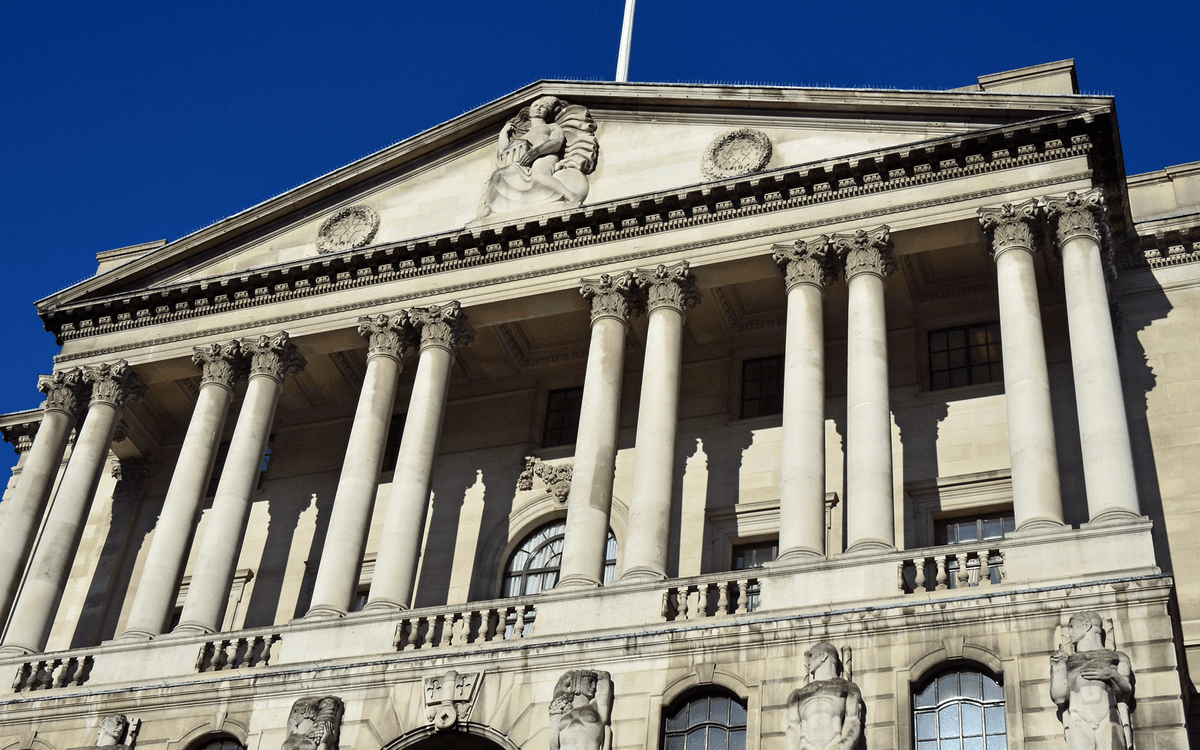
The Bank of England raised Bank Rate from 3.75% to 4% in a decision published on 5 November 2026, increasing the benchmark that influences borrowing and savings costs across Britain. Its Monetary Policy Committee voted 8-1 at the meeting ending on 4 November for a quarter-percentage-point rise. The dissenting member, Catherine Mann, wanted a larger increase to 4.25%, according to the official summary and minutes.
Key facts
- Bank Rate increased by 0.25 percentage points to 4%.
- Eight committee members backed that rise; one preferred a 0.5-point increase.
- September consumer-price inflation was 3.5%; the Bank projects around 5% by mid-2027.
- The next decision and meeting minutes are due on 17 December 2026.
Why raise rates before wider price pressures are clear?
The committee judged that prolonged high energy prices had created enough future inflation pressure to justify tighter policy. Its minutes still describe limited evidence that those costs have generated broader effects in wages and other prices. The decision therefore responds to the risk of persistent inflation as well as the direct increase in fuel and energy bills.
The scale of the energy shock has grown since the Bank's July assessment. Front-month Brent oil futures averaged $108 a barrel over the 15 UK working days ending on 27 October, while the equivalent UK natural-gas contract averaged 216 pence a therm. Those prices were respectively 38% and 81% above the levels used at the time of the July Monetary Policy Report. They are wholesale-market measures, rather than household tariff increases.
Some businesses have temporarily absorbed higher costs through lower margins, hedging or longer-term energy contracts. The committee judged that these buffers could eventually give way to higher consumer prices if the shock persisted. Stronger-than-expected economic activity also increased its concern that companies would retain the ability to pass costs on.
Members nevertheless differed over the appropriate response. Mann argued that a half-point rise was needed to prevent persistent inflation becoming embedded. Alan Taylor, who backed the quarter-point increase, described it as insurance against greater risks and said subsequent decisions could move in either direction. Their positions show that agreement on an increase did not amount to agreement on a sequence of future rises.
What changes for borrowers, savers and the next decision?
Bank Rate is the rate the central bank pays on money held with it by eligible financial institutions and charges on loans it may make to them. In its separate explanation of the decision and transmission mechanism, the Bank says lenders usually raise their own loan and savings rates when the benchmark increases. The 4% figure is the policy rate, rather than a uniform price for every retail product.
Higher borrowing costs can leave households with less to spend and make business borrowing more expensive. Higher savings returns can also encourage people to defer spending. That reduction in demand is the mechanism through which monetary policy aims to slow price increases; it cannot directly lower global energy prices.
The committee will monitor pay, companies' pricing behaviour and spare capacity before deciding whether further tightening is needed. Its inflation forecast remains conditional on the energy outlook, including futures prices that decline over time. The next published decision on 17 December will test whether the evidence supports another increase or a different course.