The United Kingdom announced new sanctions on Russian oil producers and shipping targets on 12 November 2026, saying that its addition of Slavneft means it has now sanctioned all ten of Russia's largest oil producers. The move was announced by Prime Minister Andy Burnham's office as European leaders gathered in Dublin for a European Political Community meeting focused partly on Ukraine. The measures are new designations, not a demonstrated collapse in Russian oil exports or a new universal ban on buying Russian energy.
Key facts
- The UK government says the addition of Slavneft completes its designation of Russia's ten major oil producers.
- The announcement also names the Vostok Oil project and targets oil and liquefied-natural-gas shipping networks and coal interests.
- The UK sanctions notice dated 12 November lists 11 new designations, nine vessel specifications and one variation; those categories should not be added together as oil-company counts.
- The practical effects depend on the identities listed, the applicable prohibitions, ownership structures and enforcement. Revenue losses have not been quantified in the announcement.
What the latest package changes
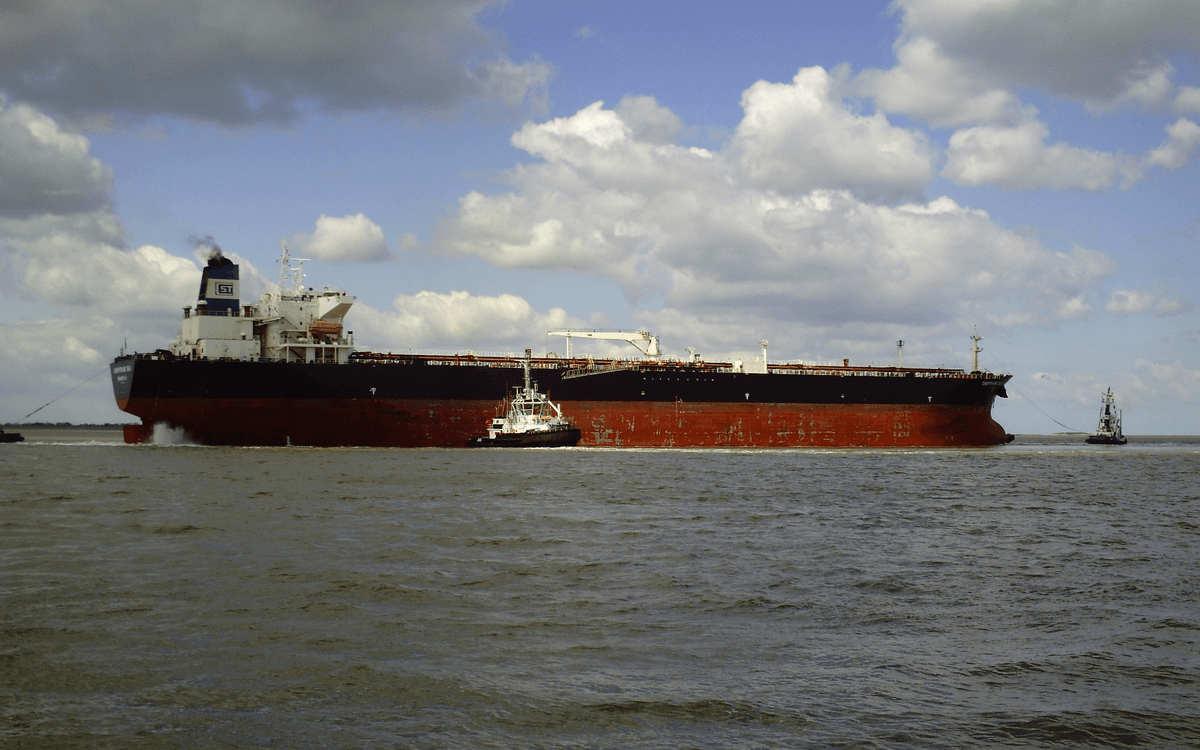
The prime minister's statement describes a cumulative campaign across the energy business: producers, trading networks, supply chains and ships. Slavneft is the named producer that, according to the UK, completes the group of ten major Russian oil companies covered by British sanctions. The announcement also identifies LLC Vostok Oil, linked to Rosneft's Arctic project, and additional vessels associated with transporting Russian oil and LNG. It says major coal companies are included as well.
These are related but legally distinct kinds of target. A company designation can affect assets and financial transactions involving the named entity. A vessel specification identifies a ship for measures applicable under the sanctions regime; it is not the same thing as placing another oil company on the corporate list. The official Russia notices page records nine vessel specifications alongside the eleven designations. That distinction matters for readers assessing the scale of the announcement.
Nor does a list of ten producers mean that every downstream buyer, port or oil cargo automatically becomes a designated person. Compliance turns on the particular restriction, the parties to a transaction and whether an entity is owned or controlled by a listed person. The UK statement frames the package as a way to constrain energy revenues that might finance Russia's war, but it does not provide export-volume changes, asset-freeze totals or an independently measured revenue effect.
How UK sanctions reach companies and ships
The Office of Financial Sanctions Implementation explains that UK financial sanctions apply to people and businesses operating within the United Kingdom and to UK nationals and companies wherever they operate. Its Russia guidance describes asset freezes and prohibitions on making funds or economic resources available to designated persons, subject to specific exceptions and licensing arrangements.
That legal reach matters to banks, insurers, commodity traders, shipping services and other businesses with British connections. They need to distinguish a new name on the official list from more general rules, including the separate restrictions on maritime services connected with Russian oil. The new press statement is a description of policy; the sanctions list and the underlying regulations are the operational starting points for checking a particular counterparty.
Britain has already applied numerous sanctions to Russian energy businesses since the invasion of Ukraine. What is different on 12 November is the government's claimed completion of coverage across its chosen group of ten producers, together with further measures touching transport and other energy interests. It is not the creation of a sanctions regime from scratch.
What follows the Dublin announcement
The diplomatic context is the European Political Community summit in Ireland, following discussions on Ukraine that the UK says took place in Abu Dhabi. Burnham's office said the prime minister would press other leaders to sustain pressure on Moscow, support an immediate ceasefire and pursue security guarantees for Ukraine. These are negotiating positions, not a concluded peace agreement.
For commercial operators, the immediate next step is to check the dated designations and vessel entries against transactions already in progress, including any ownership or control questions. For policymakers, the question is whether successive measures reduce usable Russian energy revenue after rerouting, price changes and enforcement are accounted for.
The government has declared an objective and identified new targets. Whether it achieves an additional economic effect will require evidence from sanctions enforcement, trade and shipping data. The published announcement alone cannot settle that question.