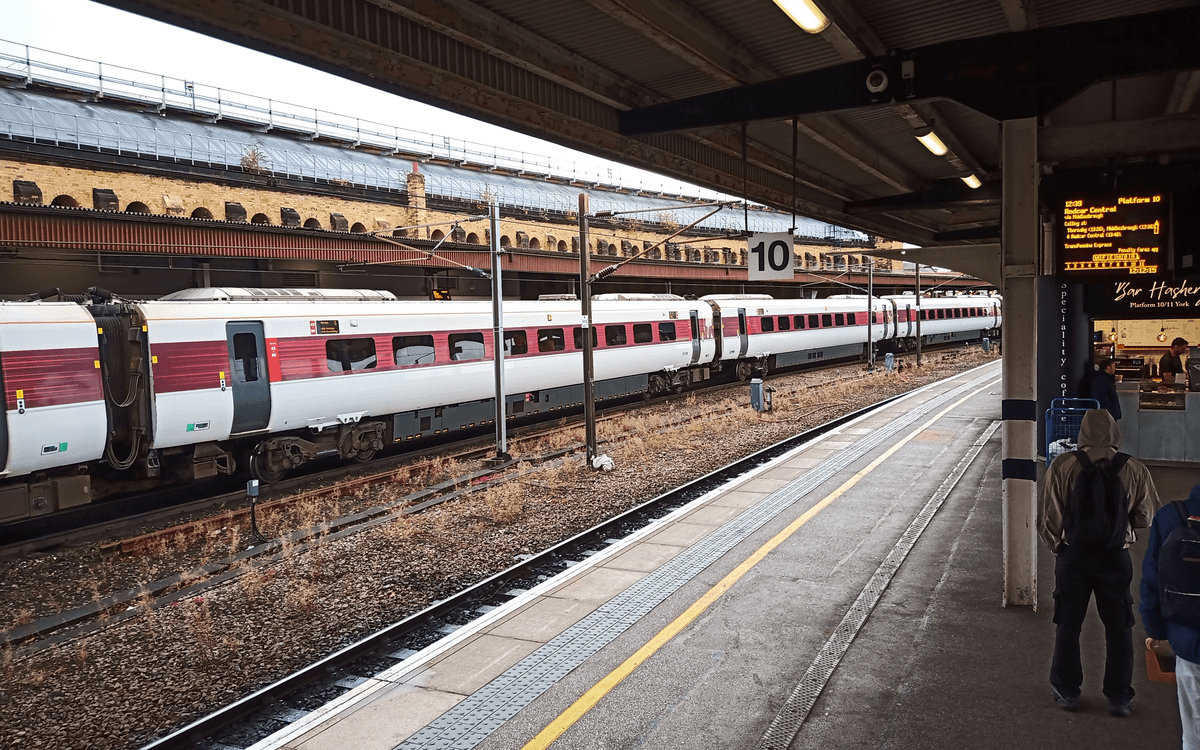
Britain’s government has proposed giving rail fare discounts for military veterans and serving personnel statutory protection as it reorganises the railway. The Department for Transport said on 9 November 2026 that it had tabled an amendment to the Railways Bill. The two groups can already get a third off most fares through existing railcards. The proposal would put provision for their discounts in law, and the bill is still before the House of Lords.
Key facts
- The government tabled its proposal on 9 November as an amendment to the Railways Bill.
- Veterans and serving personnel use separate railcards under the current arrangements.
- The HM Forces Railcard is issued through Ministry of Defence service units.
- Parliament lists 18 November as the start of the Lords report stage.
What the amendment would change
The proposed protection concerns who can count on a discount scheme under the new railway structure. The Department for Transport said existing discounts for serving personnel and veterans lacked the statutory protection that applies to concessions for younger, older and disabled passengers. Its amendment would put military discounts on a statutory footing alongside the bill’s creation of Great British Railways. A proposal laid in Parliament leaves today’s ticket rules in place while legislators consider it.
The department described the existing cards as offering one-third off most fares. That describes the benefit passengers can get today. The ministerial statement sets out the government’s intention to protect access to discounts, while the final legislation will determine how that protection is written. For passengers, the distinction matters because the railcards also have their own fees, eligibility rules and limits on where or when a fare can be used.
What passengers can use today
The HM Forces Railcard is issued by the service unit and costs £21 for a year, according to National Rail. Its listing covers service personnel, spouses and dependent children aged 16 or 17. National Rail also sets a £12 minimum fare for services scheduled to leave between 04:30 and 09:59 on weekdays, with exceptions for public holidays and July and August. It excludes regular travel to work, duty or education.
The separate Veterans Railcard is listed at £35 for a year or £80 for three years. National Rail says eligibility includes people who have served at least one day in the regular or reserve armed forces and merchant mariners who served on legally defined military operations. That gives former personnel a route to discounted fares without applying through a current service unit. The two cards therefore serve different groups even though the government’s amendment addresses both.
When the proposal goes before peers
The parliamentary timetable records that the bill cleared its Commons third reading on 10 June and entered the Lords the next day. The Lords committee stage began on 8 September. The report stage, when peers can consider changes to the text after committee scrutiny, is listed to start on 18 November. Parliament notes that future dates can be provisional, and the published timetable gives the start of the stage rather than a separate time for debate on this amendment. The next decision to watch is whether the Lords include protection for military fare discounts in the bill that advances from report stage.