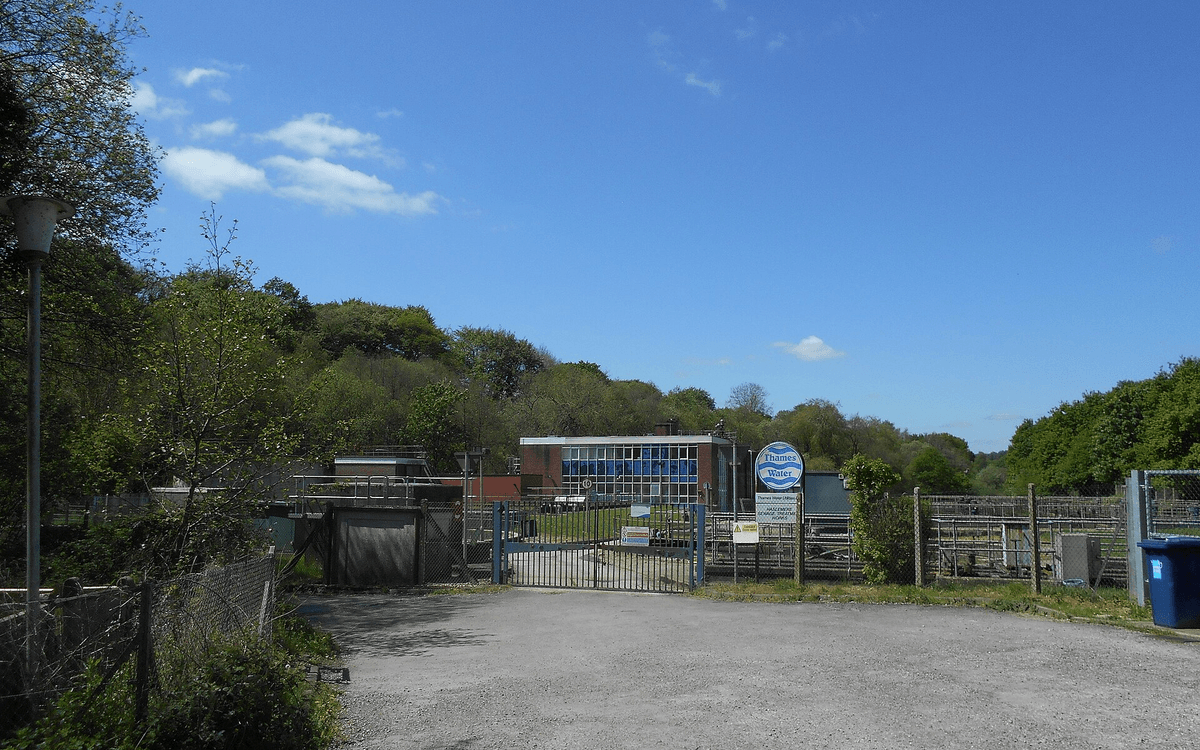
Ofwat opened a four-week call for evidence on 12 November 2026 to examine whether water companies can evade the executive bonus ban by calling payments something else. Environment Secretary Angela Eagle requested a wide-ranging review after the regulator raised concerns about fixed retention awards and unexplained increases in base salaries. The existing prohibition remains in force. This is a review, not an immediate extension of the law to every form of executive pay.
Key facts
- Ofwat opened the review on 12 November; submissions close on 10 December 2026.
- Nine companies triggered the restriction during the 2025-26 financial year, according to the government.
- More than £6.5 million in potential bonuses were blocked that year, bringing the cumulative figure above £10 million.
- Ofwat has not yet adopted a new restriction covering retention awards or fixed salaries.
What the ban currently prohibits
The Department for Environment, Food and Rural Affairs says the rule targets performance-related pay for senior executives when companies meet defined failure criteria. It was introduced after the Water (Special Measures) Act 2025 gave the regulator new powers. Environmental failure is one trigger: a one-star environmental rating or a serious Category 1 pollution incident can lead to awards being blocked. Other regulatory performance standards also matter.
The distinction between a performance bonus and a fixed salary is central. The rule does not impose a general ceiling on what water companies may pay their executives. A board can set basic salaries and may offer payments designed to retain staff, although those decisions remain subject to scrutiny and other relevant requirements. The government's concern is that a different label could hide a payment with the same economic purpose as an award that the rule would prohibit.
Defra says nine companies triggered the prohibition for the 2025-26 year. Potential awards worth more than £6.5 million were stopped, compared with more than £10 million in total since introduction. These are amounts prevented from being paid, not fines levied on operators or money returned directly to consumers. Distinguishing them matters when discussing the effect on customers' bills.
Four companies identified in the government's announcement as having one-star environmental ratings are Southern Water, Thames Water, South West Water and Yorkshire Water. The restriction can also be activated by a Category 1 pollution incident. A company's poor rating does not demonstrate that every proposed salary adjustment is unlawful; the regulator still has to apply the actual conditions of its rule.
Why retention payments are under examination
Ofwat's public call for evidence asks whether the prohibition achieves its intended objectives of accountability and public confidence. It particularly seeks ways to address the risk of companies undermining the restriction. Customers, campaign organisations, companies, investors and trade bodies can respond. The consultation is intended to inform an accelerated regulatory review.
The Guardian reported that Ofwat drew attention to retention awards at several operators. It cited potential retention payments worth up to £800,000 for Anglian Water chief executive Mark Thurston. Unlike an annual performance bonus, a retention award may be tied formally to remaining in post. Ofwat's concern is that such an arrangement could achieve an equivalent reward despite the performance prohibition. That concern is not itself a finding that a particular payment violated the current rules.
Another concern is large rises in basic pay without convincing explanation. A company might legitimately alter its fixed salary structure, but regulators can scrutinise whether the change reflects a genuine role or labour-market issue or is merely an alternative vehicle for a banned bonus. That assessment requires looking at purpose, evidence and approval arrangements rather than the name assigned to the payment.
The regulatory debate also raises the separate question of who ultimately bears costs. Restricting bonuses and determining whether spending may be recovered from customer charges are not the same mechanism. The consultation focuses on the scope and enforceability of the performance-pay ban rather than setting a new price cap or household water tariff.
What happens before the rules change
Responses must reach Ofwat by 10 December 2026. The regulator will then assess the evidence and decide whether to propose changes. It has not published a replacement definition for performance-related pay or a commencement date for any amendment. The government is considering wider changes to water-sector governance, but a proposed strengthened Water Bill is separate from the rule currently in force.
For customers, the next meaningful result will be a published proposal explaining which kinds of retention or fixed-pay arrangements would be caught and how companies would demonstrate compliance. Until then, the established restriction continues where existing failure triggers are met, and the treatment of alternative remuneration remains under review.