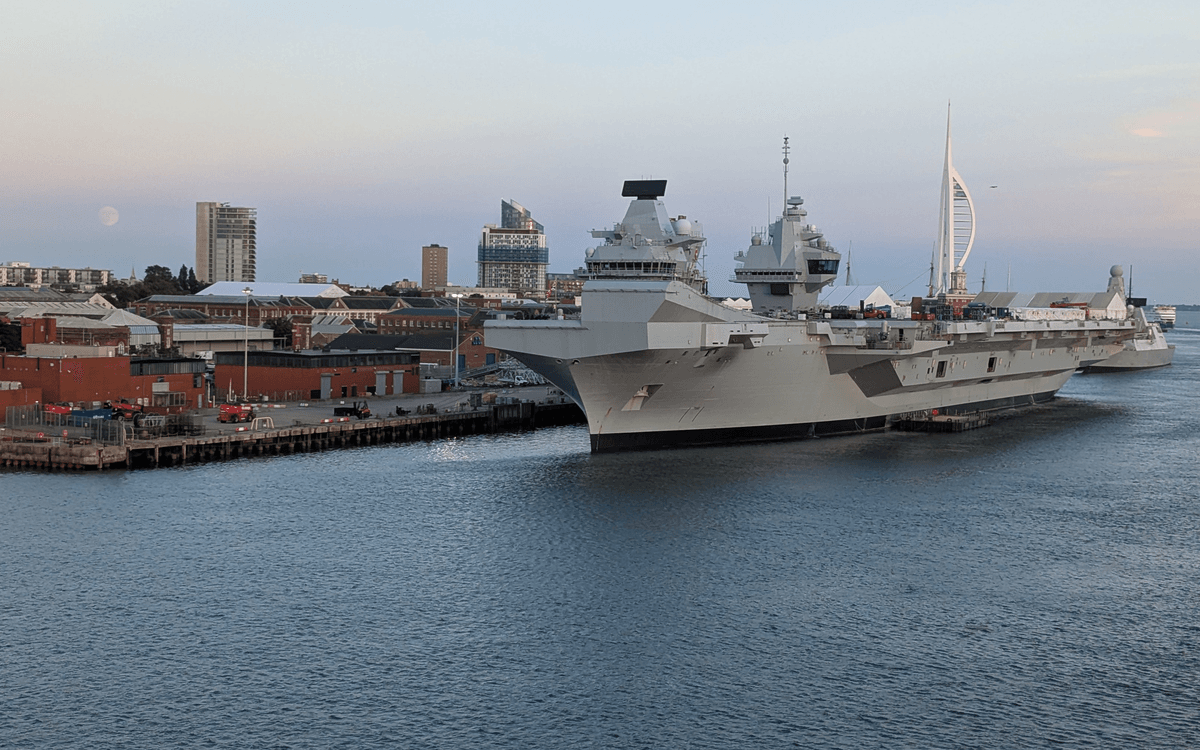
Britain and its northern European partners have signed an agreement to bring their naval training, planning and support systems closer together. The UK Ministry of Defence announced the Northern Navies Initiative on 10 November 2026, after representatives of all ten Joint Expeditionary Force nations signed aboard HMS Prince of Wales in Oslo. The agreement aims to help allied ships operate together in the North Atlantic, High North and Baltic Sea. Ministry of Defence announcement
Key facts
- The agreement develops a statement of intent proposed in London in April.
- Participating navies plan to train to the same standards and prepare together before a crisis.
- Shared support would allow a ship to repair, refuel or resupply in an allied port.
- NATO remains the foundation for collective defence, including standards and operational plans.
What changes for the participating navies
The initiative builds on an existing coalition. The JEF's account of its role identifies Denmark, Estonia, Finland, Iceland, Latvia, Lithuania, the Netherlands, Norway, Sweden and the UK as its ten members, with Britain serving as the framework nation. All are NATO members. The coalition already conducts joint training and operations; the new agreement focuses on deeper maritime integration within that group.
The Ministry of Defence describes several practical changes the navies intend to pursue. They would operate in the same way, develop compatible equipment and plan together in advance. A Royal Navy frigate could hand over operational responsibility to another member's ship without interrupting the mission. A task group from one country could direct allied sensors and uncrewed vessels.
Support in an allied port is another part of that design. A warship needing fuel, supplies or repairs could receive them locally rather than return home. That would give participating fleets more options for sustaining operations across a region stretching from the Baltic to the North Atlantic. These are the operating arrangements the ministry says the agreement seeks to enable, rather than evidence that every system is already interchangeable.
Conference organiser Navy Leaders separately reported the signing at the International Sea Power Conference. Its account describes the goal as aligning training, doctrine and systems so participating navies can exchange equipment and personnel when required. The organiser's report and the ministry's announcement both identify the ceremony aboard the British aircraft carrier as the step taken on 10 November.
How the initiative fits with NATO
The JEF describes its existing model as a sovereign opt-in arrangement: participating countries can choose how to contribute to a response. It can also integrate into larger international operations, including those led by NATO. The ministry presents the Northern Navies Initiative as a way for a smaller group to act early and combine quickly, with the ability to move into NATO command if the alliance mobilises at scale.
That distinction matters for the transatlantic role of the agreement. The ministry says NATO supplies the standards, plans and collective-defence framework, while the JEF brings closely aligned navies together more routinely. The initiative's geographic focus includes the North Atlantic sea routes that the JEF identifies as vital to NATO.
Undersea infrastructure is a stated priority. The ministry links the agreement to risks from hostile seabed activity and other actions below the threshold of armed conflict. It also says the Royal Navy will put the first phase of Atlantic Net, part of Atlantic Bastion, into operation within months, working with Ocean Infinity. That surveillance effort is a concrete next milestone for the region; the announcement gives no fixed calendar date for its first phase.