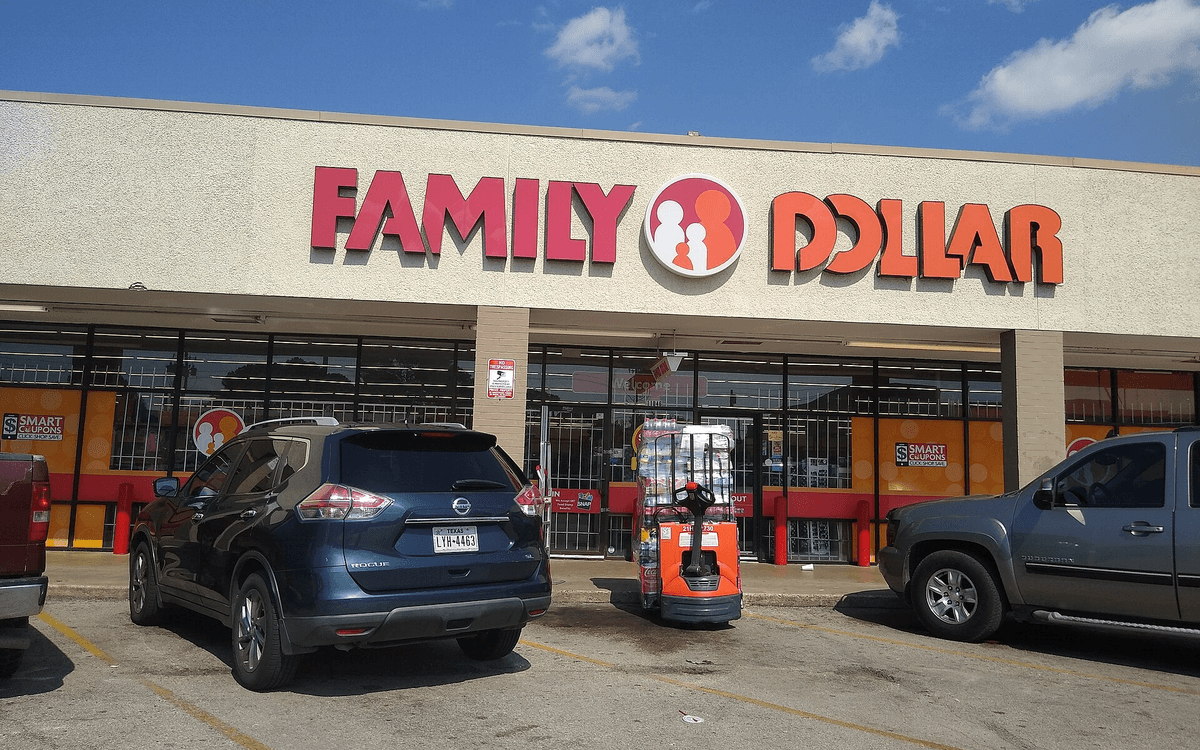
The Federal Trade Commission and 17 U.S. states filed a proposed $63 million settlement with Family Dollar on November 12, 2026, alleging that shoppers were repeatedly charged more at checkout than advertised on shelves, in promotional materials and online. The agreement would finance customer compensation and discounts while imposing a monitored pricing-accuracy programme. It is not yet a final court order: the FTC's case register still lists the action as pending.
How the proposed $63 million settlement would work
Key facts
- $40 million would be reserved for compensation for eligible consumers.
- $20 million would fund customer discounts, separate from the compensation fund.
- More than $3 million would go to participating states; the proposal also requires independent assessment and annual certification of a pricing-accuracy programme.
- The complaint and stipulated order were filed in the U.S. District Court for the Eastern District of Virginia. The obligations acquire the force of a court order only after a judge signs it.
The headline amount combines different forms of relief. The $40 million consumer-redress fund is intended for eligible people harmed by inaccurate prices; it is not a promise of an immediate $40 million cash distribution to every shopper. The $20 million discount programme would instead reduce future purchases for customers under the agreement's terms. Money payable to state authorities is a third component. Those categories should not be added to a single estimate of cash refunds.
The proposed order also addresses the conduct said to have caused the problem. The retailer would have to check that prices at the register match its stated prices, train employees to spot discrepancies, fix errors promptly and subject its system to independent evaluation and yearly certification. That operational requirement is potentially more consequential than a one-time payment: advertised discounts cannot protect consumers if checkout systems do not reliably apply them.
Ohio's attorney general said the chain would have to display notices about eligibility in stores and online. The state expects a link to those notices on Family Dollar's website within 14 days after a judge signs the order, not within 14 days of the November 12 announcement. Eligibility and application arrangements should therefore not be described as already available.
Why regulators returned to checkout pricing
The federal and state complaint alleges discrepancies at thousands of stores, including in communities with limited alternatives for affordable groceries. It cites state and local inspectors recording thousands of pricing violations in five years and penalties exceeding $3 million. Regulators also describe instances where website or app prices and coupons did not match what customers paid. These are allegations in enforcement documents, rather than judicial findings that every alleged transaction occurred.
The proposed settlement follows earlier state action. Ohio sued Family Dollar in 2022 over shelf-price discrepancies and concluded a $250,000 settlement in 2023 requiring corrective steps and food donations. Ohio officials say reported overcharges continued despite that agreement. The federal intervention consequently shifts the focus from individual state remedies to nationwide controls and independent monitoring.
The FTC separately filed a complaint against Dollar General on October 26, 2026 over comparable alleged pricing practices. That remains a different, ongoing dispute; the Family Dollar proposal neither resolves it nor establishes liability in the other case. Family Dollar has not admitted or denied wrongdoing, according to Reuters' report of the filing.
For customers, the critical distinction is between an agreed proposed settlement and an enforceable ruling. The FTC voted 2-0 to authorise filing the complaint and stipulated order, but the agency states that court approval and a judge's signature are required before a stipulated final order has legal force. The case register displayed Pending as of the November 12 update.
The next steps are therefore judicial approval, publication of the operative terms and notices explaining who qualifies for redress. Until then, the stated funds and compliance programme describe a filed settlement proposal. They are not evidence that reimbursement has begun, that every store has corrected its prices or that the allegations have been decided by the court.