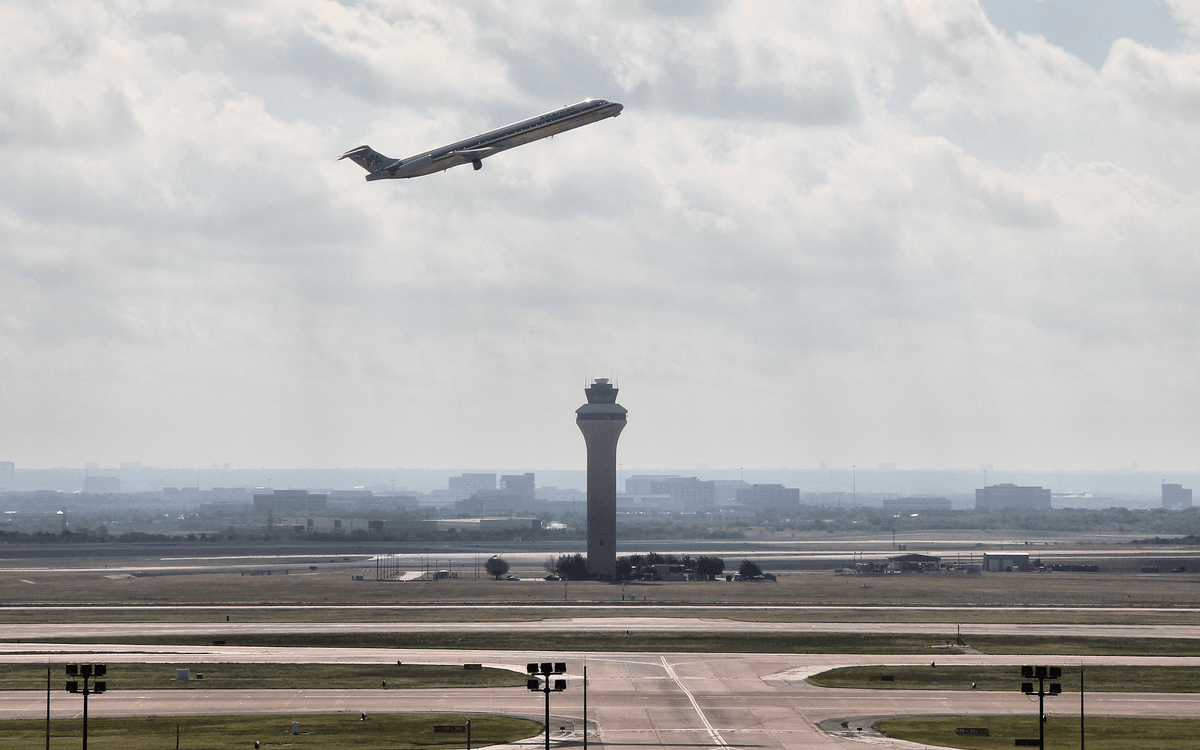
U.S. air traffic controllers are getting a shared display for weather reports, airspace restrictions and other information they use to manage flights. On November 5, 2026, the Federal Aviation Administration (FAA) announced that it had begun replacing four information systems dating to the 1980s. Some still rely on floppy disks. The agency plans to install the replacement at 435 sites by the end of 2028. The change affects how controllers obtain and share information as aircraft move through U.S. airspace.
Key facts
- The Enterprise Information Display System, or E-IDS, will replace four legacy information displays used across more than 400 FAA facilities.
- The first five sites the FAA named include three airports and two data processing hubs. Its target is 435 installations by the end of 2028.
- The Government Accountability Office found that the broader modernization program lacked a detailed schedule coordinating work across projects.
What will controllers see on the new display?
A controller may need to find out what weather a pilot encountered, whether a piece of equipment is out of service, or when a block of restricted airspace becomes active. The FAA says the new display brings operational notices, weather information, traffic conditions and advisories together. Pilot reports are firsthand observations from crews already in the air. A notice about a restriction or an equipment problem serves a different purpose. Putting both on the same display gives controllers a single place to check information that can change during a shift.
The FAA’s technical description identifies the four systems being replaced. They are Information Display System 4, the Automated Surface Observing System Controller Equipment Information Display System, the NAS Information Display System and the En Route Information Display System. The new platform is intended for operating positions across the agency’s air traffic control domains. The rollout concerns the displays used by people working at those positions. A later phase of the wider modernization program covers the separate task of developing automation to track aircraft and optimize traffic.
The project also changes how information can move between facilities. The FAA plans to connect the displays to its System Wide Information Management infrastructure and to use a common platform for local and national information that does not change in real time. That combination allows a display to carry information specific to a site while drawing on services available across the National Airspace System. FAA technical operations staff are also expected to be able to maintain the platform collaboratively, an advantage the agency attributes to moving away from the older systems.
What happens between the first installations and 435 sites?
The FAA named Atlantic City International Airport, Nashville International Airport and Greater Rochester International Airport among the first five facilities. It also named data processing hubs in Atlanta and Salt Lake City. The mix illustrates why the 435-site target is broader than a count of airport towers. Some installations are at airports where controllers use the information. Others are at hubs that process data for the network.
The November announcement gives a nationwide target without setting out a timetable for each of the 435 sites. A September 2026 assessment by the Government Accountability Office gives a separate deadline for the broader modernization initiative: the FAA aims to complete its first phase by December 2028. The deadlines fall in the same month, but they measure different things. A completed display installation counts toward the site total. The first phase also involves changes to several other systems.
Why does the wider schedule matter?
In September 2026, GAO found that the first phase of the broader effort had 11,389 individual project schedules that were still separate. Projects could be planned for installation at the same sites without the schedules being coordinated to limit disruption to controllers. Replacing a display is one job. Installing communications equipment or modernizing a weather system is another. If those jobs converge at one working facility, the order in which they are carried out matters to the people who have to keep aircraft moving during the work.
Congress appropriated $12.5 billion for the wider modernization initiative in July 2025. GAO reported that the FAA was using most of that appropriation for the first phase, which also includes work on communications, surveillance, weather and training. For the second phase, the FAA told auditors it expected to need about $10.2 billion, excluding facilities, and had yet to estimate when the phase would start or finish. Those amounts cover much more than the new displays. GAO recommended a lifecycle cost estimate for the program and a coordinated schedule for its first phase. The Department of Transportation partially concurred with both recommendations.
The next measurable milestone for the display replacement is the FAA’s installation target at the end of 2028. The named airports and hubs provide a starting point for tracking the rollout. A site-by-site schedule that accounts for other installations would show when controllers can expect to make the transition and how the FAA plans to carry out the work at facilities that remain in operation.