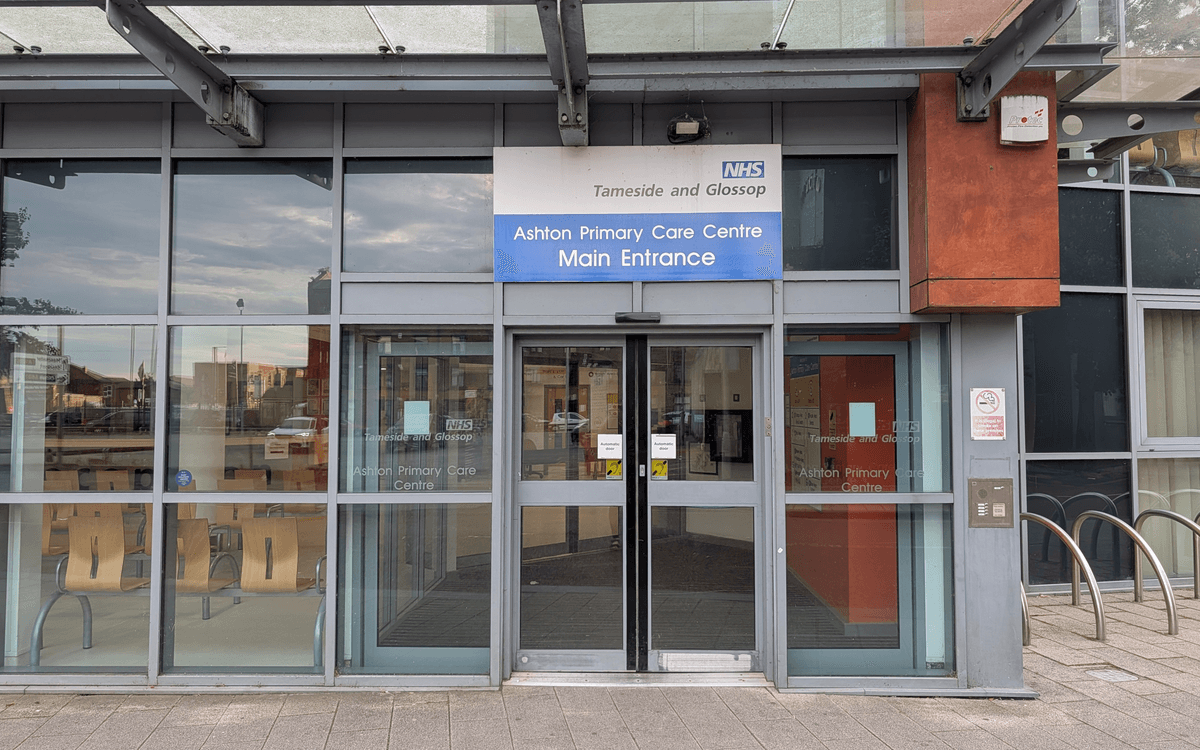
GP practices in England will identify patients at greatest risk of becoming seriously ill this winter and offer them extra care under a £40 million programme. The Department of Health and Social Care and NHS England announced the scheme on 9 November 2026. It is expected to reach up to 300,000 people, including patients with heart disease, frailty or chronic lung disease. The aim is to address problems earlier and reduce avoidable hospital admissions.
Key facts
- Primary Care Networks can receive £126 for each eligible patient they support.
- Practices will choose patients based on their risk of becoming seriously unwell. The national figure of 300,000 is an upper estimate.
- Extra care could include health checks, medication reviews, home assessments or nurse-led respiratory clinics.
Who will be offered extra support?
Practices will identify patients they consider most at risk of deterioration, with particular attention to people with heart disease, frailty or chronic obstructive pulmonary disease, including emphysema. This makes selection a decision for the teams that know the patients. The announcement lists priority groups and does not set a national application deadline.
The support can take different forms depending on the reason a patient is at risk. An assessment at home could identify ways to prevent falls for a person with frailty. A practice could review medication for someone with long-term conditions or provide additional checks through a nurse-led respiratory clinic. The department described these as examples of care that can be offered according to need.
The money is ring-fenced for the programme. The payment goes to Primary Care Networks, which bring GP practices together, and is triggered by support for an eligible patient. At the announced rate, supporting 300,000 people would account for £37.8 million in per-patient payments. The announcement gives £40 million as the overall programme figure and does not break down the difference.
How does the winter funding fit with existing GP arrangements?
NHS England’s May contract variation already gave integrated care boards a route to request limited local changes to the contract under which practices collaborate. It also gave networks more flexibility to move specified GPs and practice nurses from earlier funding streams into a staff reimbursement scheme, subject to available funding. The winter announcement adds a specified payment tied to the patients a network supports.
The department said practices have also been able to use GP reimbursement funding for locum doctors since October. That flexibility is about staffing. The new per-patient payment is directed at additional care for selected patients. The Guardian reported that the £40 million is being reallocated from existing 2026–27 GP budgets.
The Royal College of GPs’ president, Victoria Tzortziou Brown, welcomed the emphasis on prevention in comments published with the announcement. She called for the evaluation to inform a longer-term approach supported by sustained investment in general practice. The programme is one part of winter preparations that also include vaccination and additional urgent-care capacity. The department said more than 13.6 million people in England had received a flu vaccination by 1 November, about 300,000 more than at the same point in 2025. That count is for the wider vaccination campaign. For practices, the immediate step is to identify patients at risk and decide which checks or follow-up could help them through the winter.