British Prime Minister Andy Burnham has said Britain "lost more than we gained" from Brexit, five days before a summit aimed at easing trade with the European Union. Speaking to Welsh Labour members in Llandudno on Saturday, 14 November, Burnham argued that the existing relationship had imposed costs on food exporters. He will meet EU leaders in Brussels on 20 November. No new food-trade agreement has yet been concluded.
Burnham's comments elevate a technical border negotiation into a broader political argument about the UK's economic future. He says lower paperwork costs could benefit Welsh lamb and shellfish producers and eventually consumers. Those are aims and forecasts, not savings that businesses can already count.
Key facts
- Burnham spoke on 14 November; the second UK-EU summit is scheduled for 20 November 2026 in Brussels.
- UK officials say the summit will review progress since the strategic partnership announced on 19 May 2025 and address food trade, security, migration and crime.
- A proposed sanitary and phytosanitary, or SPS, agreement could remove most routine food-border checks and certificates, but its terms and start date are not yet settled.
- Burnham reaffirmed the government's existing manifesto commitments against rejoining the EU single market, customs union or free movement.
How the proposed food agreement would work
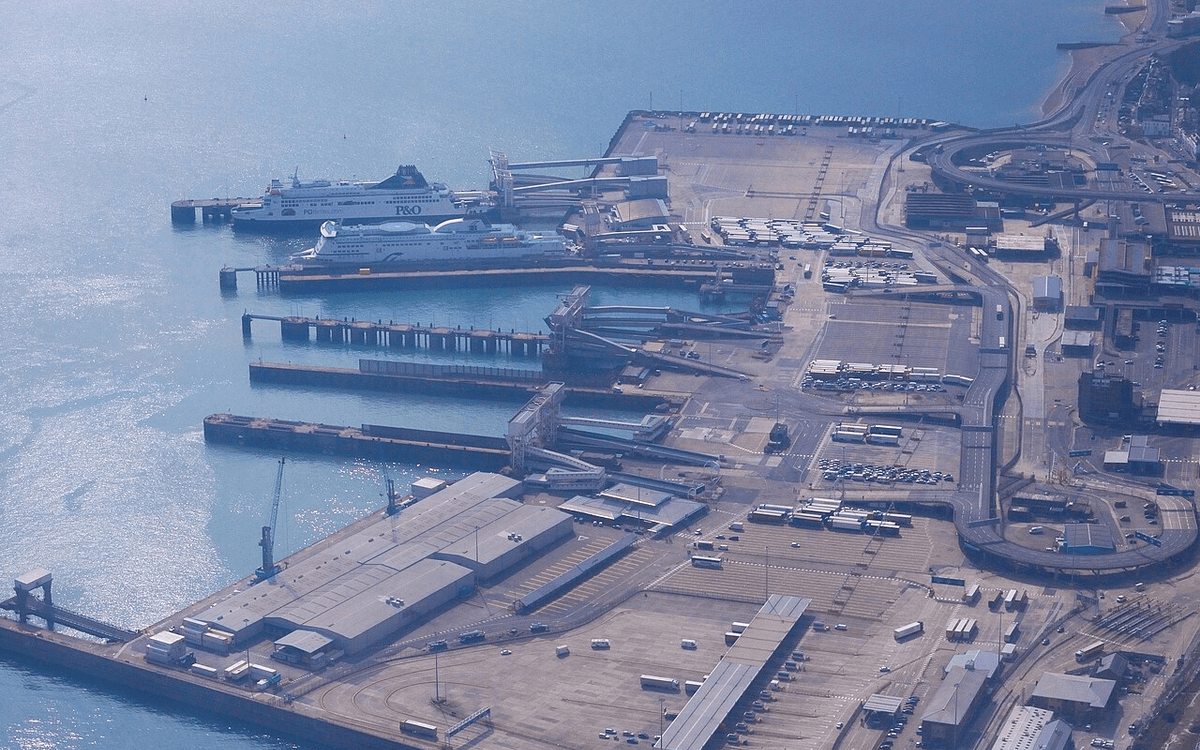
SPS measures protect food safety, animal health and plant health. Since the Brexit transition ended, many exports moving from Great Britain into the EU have required health or phytosanitary certificates and been subject to border inspections. The burden differs across products, but can be particularly troublesome for perishable goods and small businesses with limited capacity to manage documentation.
A House of Lords Library briefing published on 12 November explains that negotiators envisage a common SPS area. Under such an arrangement, most certification requirements and routine controls would disappear. The major trade-off is regulatory: Britain would have to keep relevant food and farming rules aligned with future changes in EU law. It could contribute to discussions but would not regain the law-making vote held by member states.
The briefing distinguishes this approach from the EU's arrangement with New Zealand, which reduces some checks through recognition of equivalent standards, and from the greater degree of alignment found in the Swiss model. These alternatives do not provide identical market access. The dispute is therefore not simply over whether to reduce paperwork, but over how much continuing regulatory autonomy the UK would retain in return.
Burnham has cited a potential increase of up to 0.4% in GDP from the wider package under negotiation. The Lords briefing separately records a government projection of up to £5.1 billion a year for the SPS agreement by 2040. These estimates concern different scopes and horizons; they cannot be added together or treated as measured improvements. Actual savings would depend on the final treaty, implementation and how exporters use any new procedures.
The negotiations and political limits
Downing Street announced on 12 October that Burnham would meet European Council President António Costa and European Commission President Ursula von der Leyen on 20 November. It described the meeting as the second bilateral summit, following the strategic partnership agreed in London in May 2025. Cooperation on security, illegal migration and crime is also part of the agenda.
Negotiators are discussing other areas, including emissions trading and youth mobility. Reports ahead of the summit describe disagreements about access to European programmes and associated financial obligations. A political announcement, a legally final agreement and the date rules actually change are separate stages. Until the relevant measures take effect, exporters still face the current paperwork.
At Saturday's conference Burnham accused the Conservatives of delivering a harder Brexit than voters expected. Yet he also repeated Labour's existing red lines, which exclude a return to the single market, the customs union or free movement under its current programme. Opposition Conservatives accused him of revisiting a settled referendum debate while domestic pressures remain. Both are political positions; neither settles the technical details of the SPS talks.
The next milestones are close. The House of Lords is due to debate alternative approaches to SPS checks on 19 November, a day before the Brussels summit. Whether leaders reach a binding agreement, what regulatory alignment it requires and when practical border changes begin will determine the consequences for producers and consumers.