The U.S. Department of Justice has withdrawn its bid to make California election officials set aside mail ballots linked to a federal list of roughly 20,000 registered voters. The California Department of Justice announced the withdrawal on November 6, 2026. A listing drawn from the federal district court’s public feed records a voluntary dismissal entry on November 7. California’s counties can continue the ordinary count without the separate hold the federal government sought in this case.
Key facts
- The federal request concerned mail ballots that might be returned by people on a list of about 20,000 registered voters.
- The U.S. Supreme Court denied an emergency application for an injunction on November 2, the day before the election.
- California is still counting votes. Mail ballots postmarked by Election Day can arrive through November 10, and the state is scheduled to certify results on December 11.
Which ballots was the federal government asking California to hold?
The federal government wanted California officials to identify mail ballots returned by people on a federal list, segregate them and withhold them from the count while their eligibility was checked. The roughly 20,000 figure describes the people on that list. It is neither a tally of ballots returned by those voters nor a finding that those people were ineligible. The request would have put a separate step into the county counting process for any ballots officials identified as linked to the list.
The case moved through several courts before the election. California says the federal district court denied a temporary restraining order on October 28 and the U.S. Court of Appeals for the Ninth Circuit denied emergency relief on October 30. In the Supreme Court docket, the November 2 entry records that Justice Elena Kagan referred the government’s application to the full Court and that it denied an injunction pending appeal. That order concerned what California could be made to do immediately. The entry contains no determination of individual voters’ citizenship or eligibility.
California Attorney General Rob Bonta said a November 13 evidentiary hearing before Judge David Carter would have tested the reliability of the list. Bonta attributed the withdrawal to the federal government’s desire to avoid that scrutiny. Federal lawyers gave a different explanation in their filing, as reported by CBS News. They argued that by the time of the hearing the ballots they sought to challenge would already have been mixed into the general count, putting the requested relief out of reach.
What happens to ballots still being counted?
California’s election calendar distinguishes ballots that have yet to arrive from ballots that are already with a county but have yet to be processed. The Secretary of State’s November 5 report said counties had processed and counted 8,906,017 ballots statewide and estimated that 4,816,722 were outstanding. Those are statewide figures for the November 3 general election at the time of the report. They do not measure the ballots at issue in the federal case.
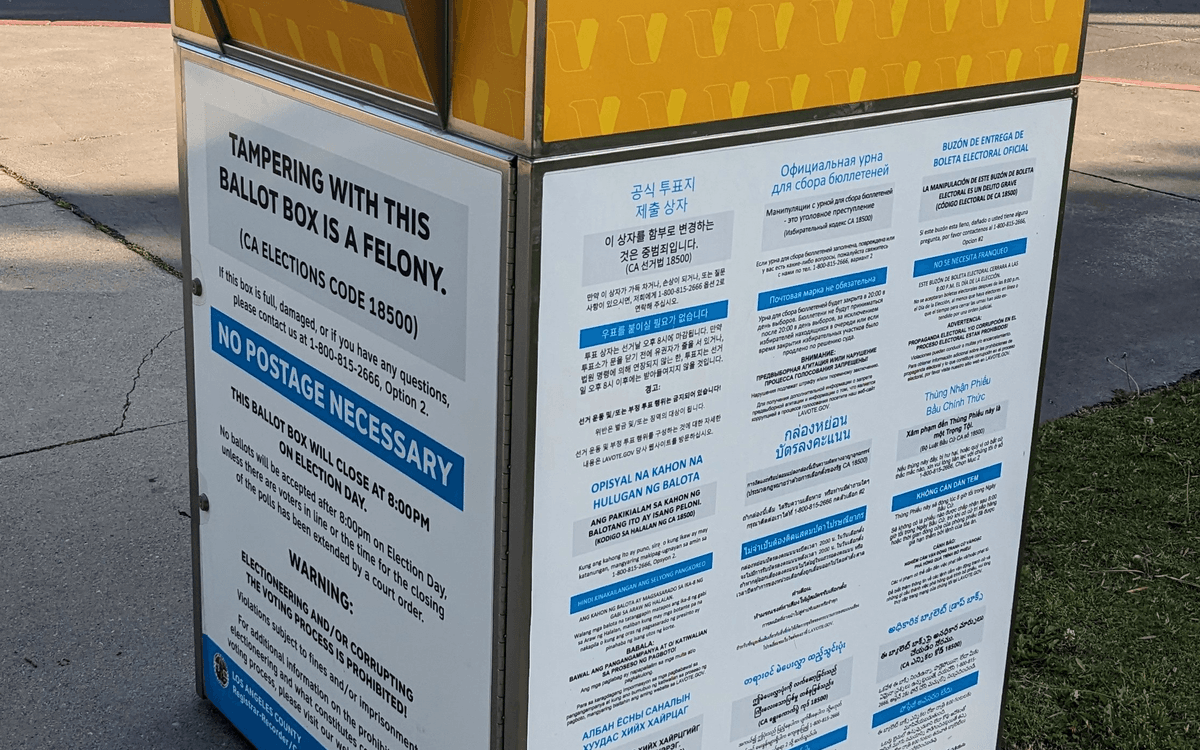
For mailed ballots, the state counts a ballot that meets its requirements if it was postmarked on or before Election Day and reached county officials no later than seven days after the election. That puts the receipt deadline on November 10. Counties then finish the official canvass, which includes tallying and auditing votes, and must report their final results for state and federal contests to the Secretary of State by December 4. The Secretary of State will certify the statewide results on December 11. Those dates govern the statewide count after the federal case’s withdrawal.