The Office of the United States Trade Representative posted a two-month extension of the pause on China-linked maritime measures on November 6, 2026. It keeps covered vessel fees and duties on specified port equipment from returning when the original suspension expires. Gateway Lines, a freight operator that reviewed the posted notice, reports that the extension takes effect on November 9 and runs through 11:59 p.m. Eastern time on January 9, 2027. For shippers, the immediate consequence is that a covered government fee does not return on the expected November timetable. What a carrier charges under a freight contract is a separate question.
Key facts
- USTR’s original year-long suspension was due to run through November 9, 2026. The agency has posted a modification extending it by two months.
- The maritime action covers service fees under three annexes and separate import duties on certain ship-to-shore cranes and cargo equipment.
- The October 2025 rules set a $46 per net ton rate for covered foreign-built vehicle carriers, with a maximum of five charges per vessel per calendar year.
- According to Gateway Lines, the extension runs through January 9, 2027, at 11:59 p.m. Eastern. A separate USTR notice deals with product-specific exclusions from China tariffs.
Which bills does the pause actually reach?
The October 2026 consultation notice traces the measures to a Section 301 investigation into Chinese practices in maritime transport, logistics and shipbuilding. USTR decided in April 2025 to impose a set of responses and changed their design later that year. The maritime pause concerns that case. In particular, the consultation separates maritime transport service fees under Annexes I, II and III from the duties under Annex V.A. Each applies to a different transaction, even when both ultimately affect the cost of moving freight.
Consider the 2025 modification for foreign-built vehicle carriers. USTR moved away from a calculation based on car-equivalent units and assessed covered operators using the vessel’s net tonnage. Net tonnage reflects enclosed capacity. The new calculation therefore depends on the ship’s design even on a call that discharges relatively few cars. The change matters for roll-on/roll-off ships, whose internal decks accommodate vehicles. USTR also limited collection to five times per vessel in a calendar year and made targeted exceptions for vessels in the Maritime Security Program and for U.S. government vessels. This explains why a rate in a notice cannot, by itself, tell an automaker what one vehicle would cost to ship.
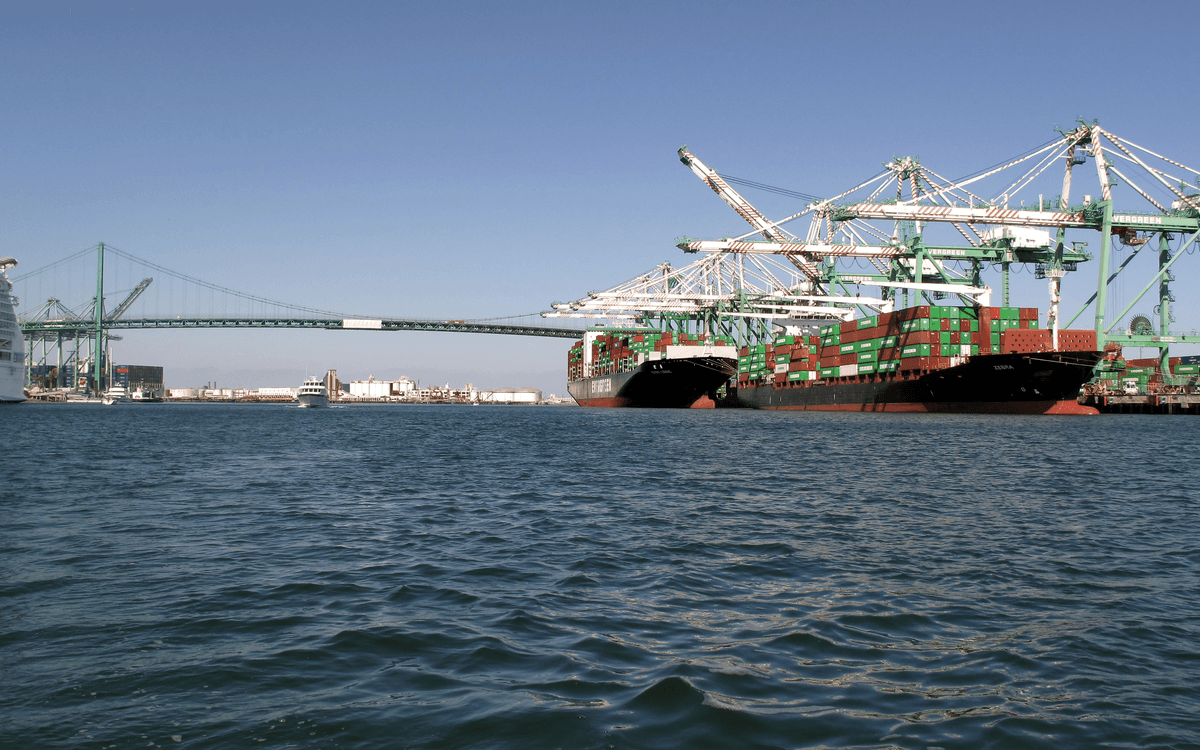
Port equipment presents a different exposure. The October 2025 notice set additional duties of 100% for specified categories, including covered Chinese ship-to-shore cranes and certain intermodal chassis and parts. Those duties attach to imported equipment in the identified categories. A ship carrying ordinary merchandise into a terminal with a Chinese-made crane does not incur an equipment import duty for using that crane. The operator’s possible vessel charge and an importer’s equipment duty belong on separate lines in any estimate.
| Stage of the same maritime action | Period or date | What it means |
|---|---|---|
| Modified fee and duty design | October 2025 | USTR changed the vehicle-carrier fee basis and specified equipment duties |
| Original one-year suspension | November 10, 2025 through November 9, 2026 | USTR paused the responsive measures for negotiations |
| Further suspension posted November 6 | Through January 9, 2027, according to Gateway Lines | The scheduled return of the covered measures is delayed |
Why the fee pause does not set the freight rate
The October consultation opened on October 23 and set an October 30 deadline. It said that, during the proposed extension, no party would accrue liability for the covered service fees or Annex V.A duties. The government can suspend its charge while the terms of an ocean freight contract continue to apply. Fuel, handling and terminal costs have their own bases. An importer comparing a new quote with an older one needs to identify which amount was included for a potential Section 301 vessel fee and whether the carrier’s terms treat it as a pass-through.
There is a timing difference between a shipment already booked for the pause and a charter that runs across the January cutoff. Squire Patton Boggs points to how charter parties and contracts of affreightment allocate this exposure. The agency can determine whether it will collect a fee, but that determination does not decide whether the owner, charterer or customer bears a future charge under a particular agreement. A carrier using one vessel now and another for a later sailing may also face different coverage under the underlying rules.
The maritime extension sits alongside a separate notice on tariff exclusions for specified Chinese goods, which Gateway Lines examined in the same report. The distinction matters even for the same container: a product can have one customs treatment while the ship carrying it faces another test. For contracts extending beyond January 9, the next decision is whether USTR issues another modification before the current pause ends. The fee rules and contractual allocation would then determine who faces any resumed charge.