Britain has a second military Earth-observation satellite in orbit. The Ministry of Defence confirmed on 7 November 2026 that Titania, a British-built spacecraft of about 100 kilograms, had launched the previous month. UK Space Command will operate it under the ISTARI programme, which is building a constellation for military intelligence, surveillance and reconnaissance. The announcement also sets out a separate trial to monitor activity around satellites from the ground.
Key facts
- Titania adds an observation satellite alongside Tyche. The Ministry of Defence says it circles Earth about every 90 minutes.
- The Satcat orbital catalogue records Titania as a UK payload launched on 1 October 2026 UTC on a Falcon 9 from California. The catalogue places it in a sun-synchronous orbit.
- Project Inaros will test three ground sensors, with sites in the United Kingdom, Australia and on Cyprus.
What does a second satellite give UK Space Command?
Titania adds another spacecraft to the British military’s effort to collect imagery from orbit. The ministry says the satellite is intended to improve the armed forces’ ability to observe activity on Earth and coordinate operations. A 90-minute circuit describes the time for an orbit. The announcement gives no schedule for how often the satellite can observe any particular location, which also depends on the orbit and the location of the target.
The Defence Science and Technology Laboratory and BAE Systems designed and built Titania in Hampshire under a £9.5 million contract, according to the ministry. That sum concerns the satellite project. The broader space spending announced under the Defence Investment Plan covers more than £3 billion over four years and includes work on other space capabilities. The satellite contract is one element of a programme that also needs ground systems and operators.
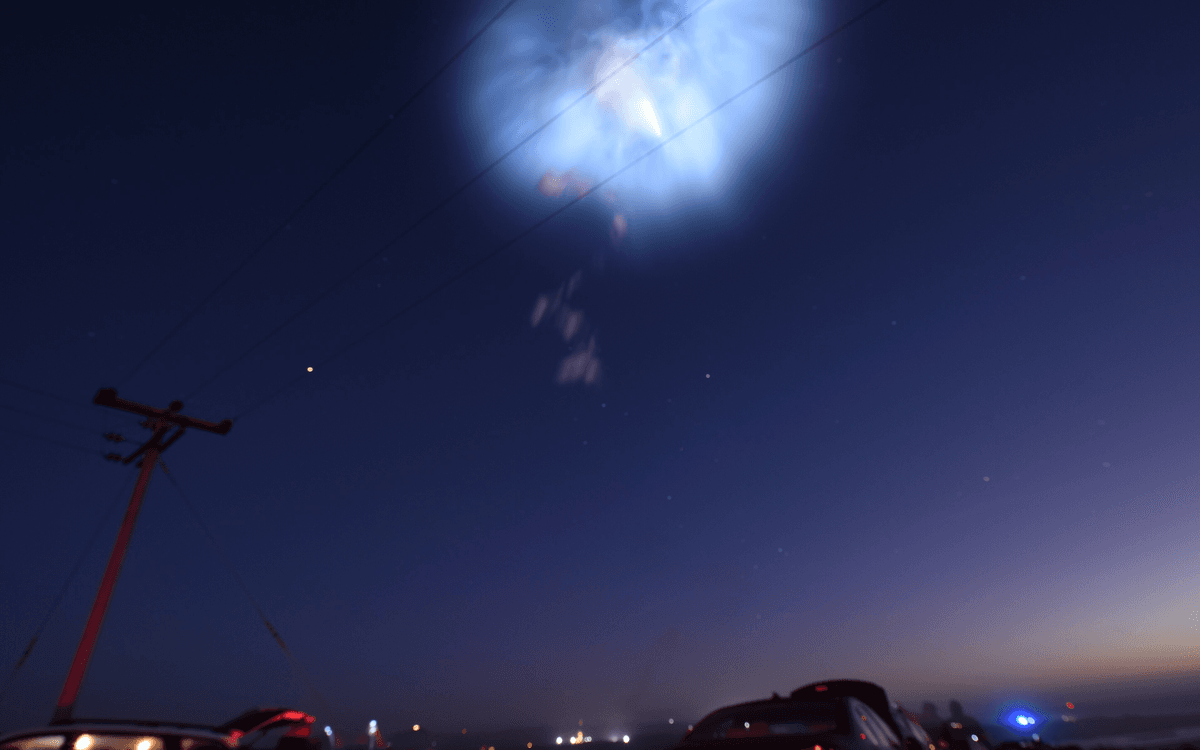
ITV News reported that the launch took place on a reusable SpaceX rocket from California and placed the earlier Tyche launch two years before Titania. The new spacecraft therefore brings together domestic design and construction, a US launch service and planned operation by UK Space Command. The ministry named Juno, with Surrey Satellite Technology, and Oberon, with Airbus Defence and Space, as the satellites intended to follow. It gave no launch dates for them in the Titania announcement.
What will the ground sensors test?
Inaros looks in the opposite direction. While Titania is intended to observe Earth from orbit, the Inaros trial will observe movements in space from the ground. The ministry says the sensors detect changes in light and could help identify unusual activity near UK satellites. Optera, a British-Australian company, developed the sensors in partnership with the National Security Strategic Investment Fund.
The British facilities on Cyprus are one of the trial locations. The Australian and UK sites are the other two. The ministry identified three units within UK Space Command that could use the information: No. 1 Space Operations Squadron, No. 2 Space Warning Squadron and the new No. 3 Space Effects Squadron. The users would receive observations about activity near satellites, a different kind of information from the imagery sought through ISTARI. The announced step is to test the sensors across the three locations. A working early-warning capability would depend on what the trials show.